MISALIGNED EYES

Squint (Strabismus)

Squint, medically known as strabismus, is a condition in which the two eyes do not align properly and may point in different directions. One eye may look straight while the other turns inward, outward, upward, or downward — continuously or intermittently, in children as well as adults.

WHY IT HAPPENS

Causes & Types

Squint can result from problems with the eye muscles, the nerves controlling eye movements, or the way the brain coordinates vision from both eyes. It may be present from birth or develop later in life. In children, uncorrected refractive errors, certain eye conditions and, occasionally, neurological or developmental problems may contribute. In adults, squint may develop because of trauma, nerve disorders, thyroid-related eye disease, stroke or other medical conditions.

  • Esotropia: One or both eyes turn inward
  • Exotropia: One or both eyes turn outward
  • Hypertropia: One eye turns upward
  • Hypotropia: One eye turns downward
  • Intermittent squint: The deviation occurs only at certain times, such as when tired or focusing at a distance
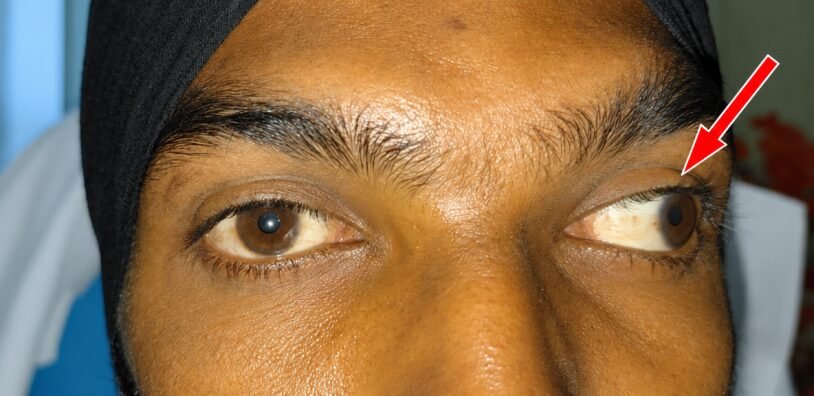
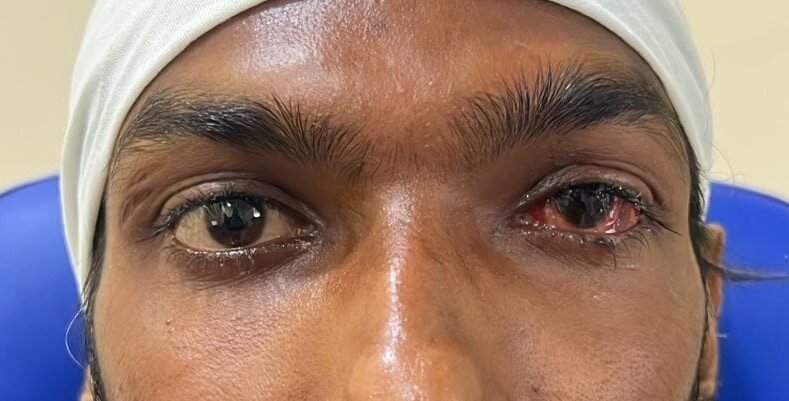
WHAT TO WATCH FOR

Symptoms

  • Eyes appearing misaligned
  • Double vision
  • Difficulty with depth perception
  • Closing or covering one eye, particularly in bright light
  • Head tilting or turning to see better
  • Eye strain or difficulty focusing
  • Reduced vision in one eye in children

In children, squint can lead to amblyopia (lazy eye) if the brain begins to suppress the image from the misaligned eye. Early assessment is therefore particularly important. An ophthalmologist, preferably a squint/strabismus specialist, performs a detailed examination of eye alignment, eye movements and vision, with refraction and binocular-vision testing as needed.

HOW IT'S TREATED

Treatment of Squint

Treatment depends on the patient's age, type and cause of squint and may include:

  • Glasses to correct refractive errors
  • Amblyopia treatment, such as patching or other methods in children
  • Prisms in selected patients with double vision
  • Orthoptic exercises in specific types of squint
  • Botulinum toxin injections in selected cases
  • Squint surgery to adjust the position or function of the eye muscles

Squint surgery aims to improve eye alignment and, where possible, binocular function. In appropriate cases, it may also improve abnormal head posture and the cosmetic appearance of the eyes.

Divergent squint before surgery After squint surgery

Divergent squint — before and after surgery

Squint in Children: Why Early Treatment Matters

A child's visual system develops rapidly during the early years of life. Persistent misalignment can interfere with the normal development of vision in one or both eyes. Early detection and timely treatment can help prevent permanent reduction of vision and improve the chances of developing useful binocular vision.

Squint in Adults

Squint is not only a childhood condition. Adults can develop squint or continue to have an untreated childhood squint, causing double vision, difficulty with daily activities, abnormal head posture or concerns about appearance. Many adults can benefit from appropriate treatment, including glasses, prisms, exercises or surgery.

If you or your child has an eye that turns in, out, up or down, an ophthalmic evaluation is recommended. Early assessment can help identify the cause and determine the most appropriate treatment.

▦

Noticed an eye turning in, out, up or down?

Book a squint evaluation for your child or yourself.

Contact Us →