CATARACT CARE

When the World Starts Looking Hazy, Don’t Just Blame Age

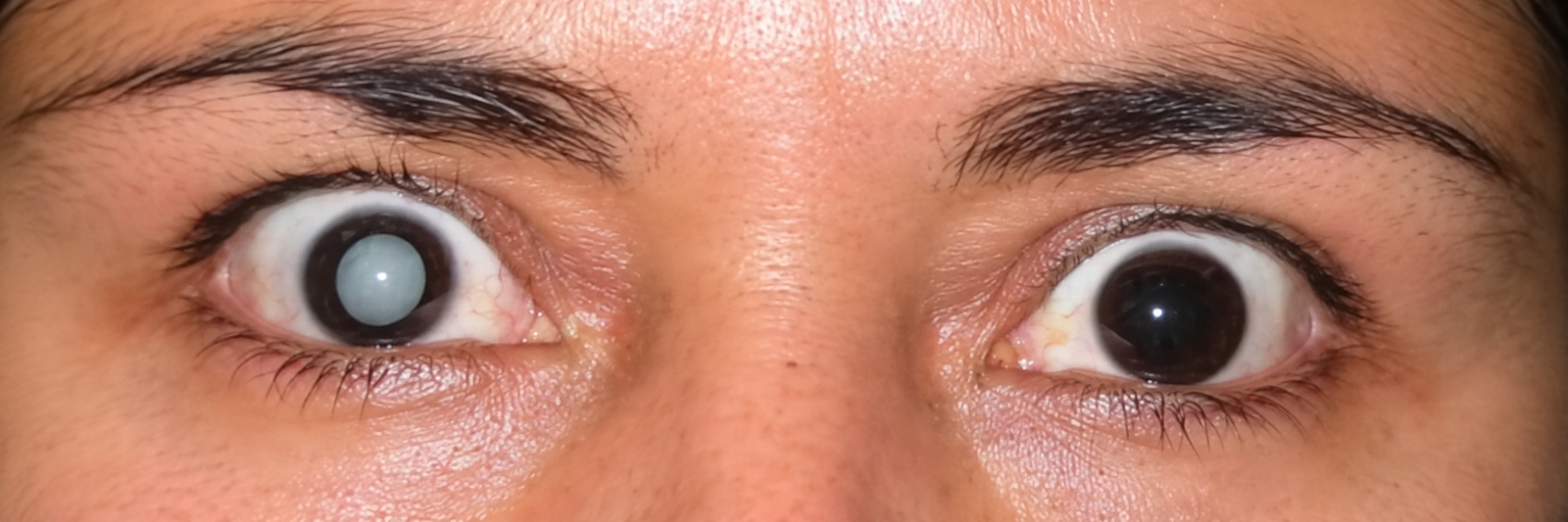
Cataract is one of the leading causes of preventable blindness worldwide-and it is treatable.

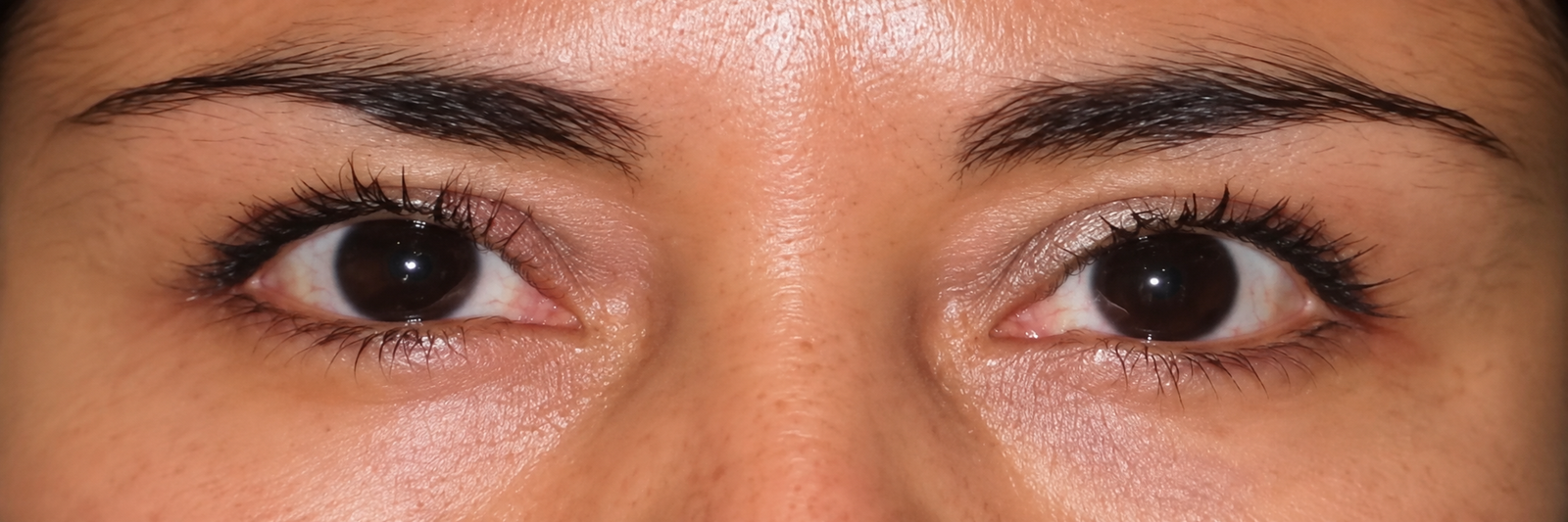
Before Before
After After

As we grow older, the natural lens inside the eye can gradually become cloudy. Colours may seem duller, lights may appear more glaring, and familiar faces may become less clear.

Modern cataract surgery involves removing the cloudy natural lens and replacing it with an artificial intraocular lens (IOL). Advances in surgical techniques and lens technology have made cataract surgery highly refined, with rapid recovery for many patients and increasingly predictable visual outcomes.

Your treatment is not one-size-fits-all. The choice of procedure and intraocular lens can be tailored to factors such as: your eye health, visual needs, lifestyle, occupation, age and expectations.

COULD IT BE A CATARACT?

Watch Out For

Hazy or blurred vision

Objects may look less clear, like there is a fog or film over your vision.

Normal vision
Cataract vision

Fading or dullness of colours

Colours may look less vibrant and can appear washed out or faded.

Normal vision
Cataract vision

Glare or increased sensitivity to light

Lights may appear too bright, with halos, making it difficult to see.

Normal vision
Cataract vision

Difficulty judging contrast

It may be harder to see details, especially between light and dark.

Normal vision
Cataract vision

Double vision (Diplopia)

You may see two images of the same object, particularly in one eye.

Normal vision
Cataract vision

Cataract usually develops gradually—so the change in vision can be easy to ignore. But you don’t have to live with it.

The good news: Cataract is curable. When cataract begins to interfere with your daily life, an ophthalmologist can assess your eyes and discuss the appropriate treatment.

HOW IT’S DONE

Cataract Surgery Techniques

◉

Phacoemulsification

A sutureless type of cataract surgery in which a machine emulsifies (breaks down and removes) the cataract using a special probe with ultrasound energy. As the entire cataract is emulsified in situ, a smaller incision of 2.4–2.8 mm is sufficient. A smaller incision results in lesser astigmatism and better quality of vision. A foldable intraocular lens is implanted after emulsification of the nucleus. Performed under topical anesthesia as a daycare procedure, after which the patient is free to go home—a painless, modern technique offering quick healing and recovery.
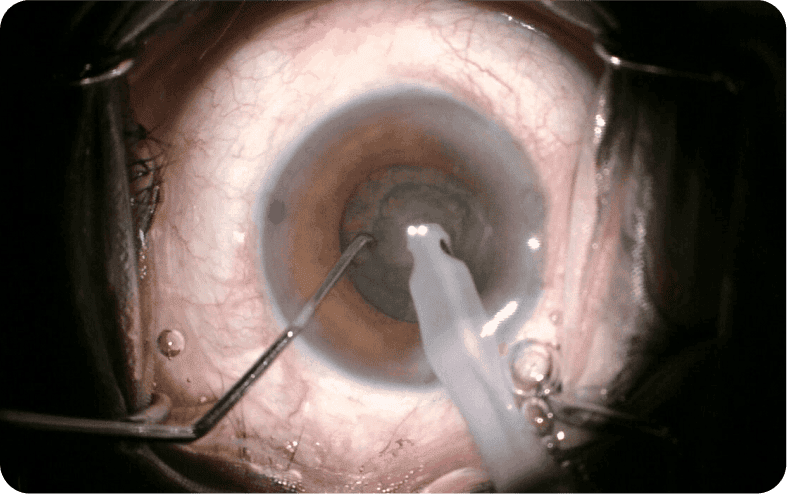
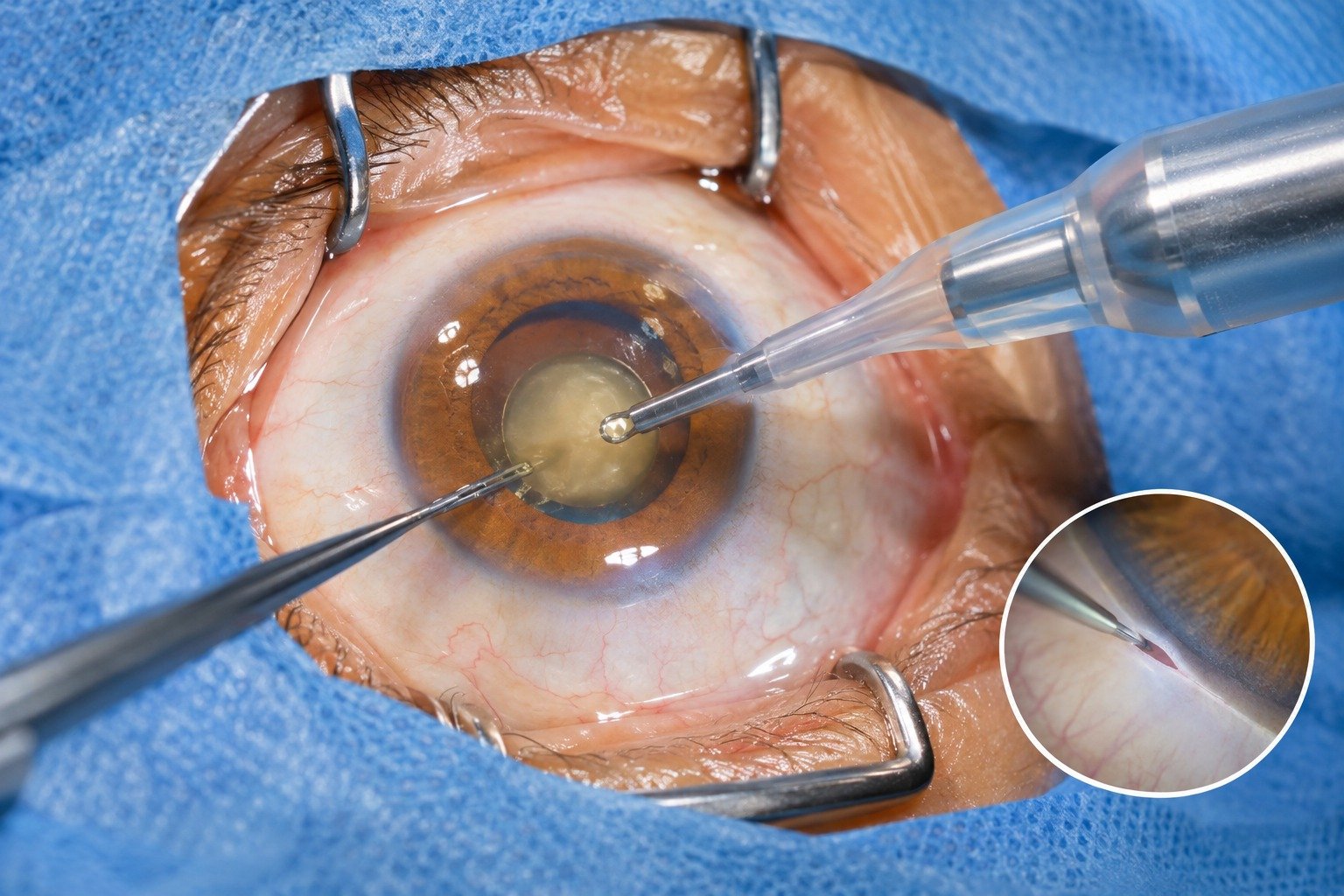
Phacoemulsification cataract surgery in progress
◉

MICS (Micro Incision Cataract Surgery)

MICS (Micro Incision Cataract Surgery) is an advanced form of phacoemulsification performed through a very small incision, typically measuring around 2.2–2.4 mm. The smaller incision causes minimal disturbance to the eye’s natural structures and generally allows faster healing and visual recovery. MICS is a modern, precise and minimally invasive technique that can provide excellent visual outcomes when appropriately selected for the patient. The procedure is performed under local anaesthesia and is usually associated with minimal discomfort and a quick return to daily activities.

Micro Incision Cataract Surgery

CHOOSING YOUR LENS

Cataract Surgery Lens Options

◎

Monofocal Lens

With traditional cataract surgery, you will receive a standard monofocal lens that provides good distance vision, but you will still need glasses for close and possibly intermediate vision.

◎

Astigmatism-Correcting Lens

If you have astigmatism and choose cataract surgery with an astigmatism-correcting monofocal lens, you will eliminate both cataracts and astigmatism, but you will still need glasses for improved vision.

◎

Multifocal Accommodative Lens

A multifocal accommodative lens can improve near, far, and intermediate vision, allowing most patients to function with little need for glasses.

◎

Extended Depth of Focus (EDOF) IOLs

EDOF lenses—such as the Alcon Vivity IOL, Tecnis Eyhance IOL and Zeiss AT LARA—differ slightly from trifocal IOLs: while trifocals aim to correct near, intermediate and distance vision, EDOF lenses extend the range of clear focus along a continuous zone.

Don’t wait until the world becomes a blur. If your vision is changing, get your eyes examined.

Cataract may be part of ageing—but losing your independence to it doesn’t have to be.

See clearly. Live fully.

▦

Think you may have a cataract?

Book a consultation and let our specialists guide you to the right treatment.

Contact Us →