Levator Resection or Advancement
When the levator muscle has adequate function, it can be shortened or advanced to elevate the eyelid and improve its position and contour.
DROOPING EYELID
Ptosis is a condition in which the upper eyelid sits lower than normal. It may be present from birth (congenital ptosis) or develop later in life (acquired ptosis).
Although ptosis can affect facial appearance, it may also interfere with vision. In children, a drooping eyelid can obstruct the developing visual axis and lead to amblyopia (lazy eye). In adults, it may reduce the upper field of vision and cause difficulty with everyday activities such as reading, driving, or looking upward.
WHY DOES IT HAPPEN?
Identifying the underlying cause is an important first step in choosing the right treatment.
HOW IT'S DONE
Treatment depends on the cause, severity, age, visual needs, and strength of the eyelid-lifting muscle. When surgery is appropriate, two commonly used approaches are:
When the levator muscle has adequate function, it can be shortened or advanced to elevate the eyelid and improve its position and contour.
When levator function is poor, the eyelid can be connected to the frontalis (forehead) muscle using a sling — the patient's own fascia lata, harvested from the thigh, or an appropriate synthetic sling — so the forehead muscle assists in lifting the eyelid.
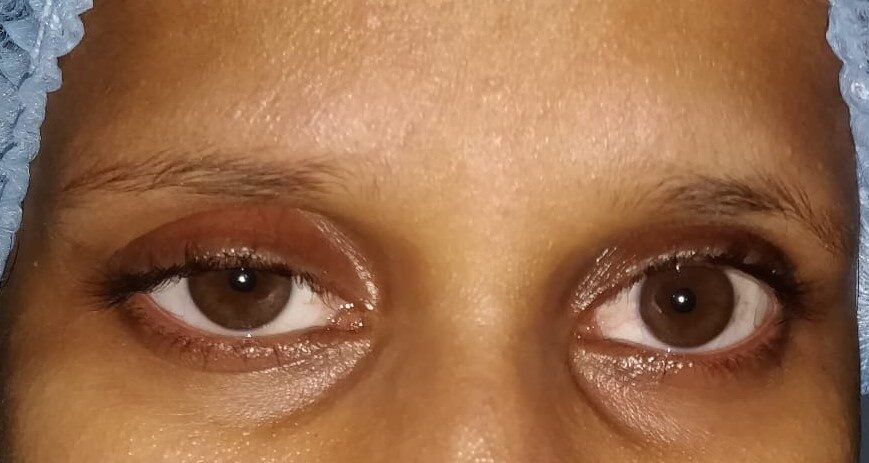
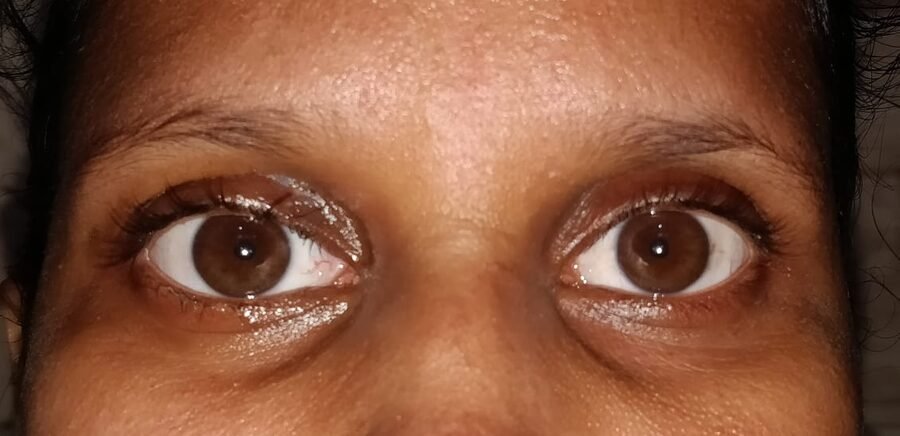
Acquired ptosis — before and after levator surgery
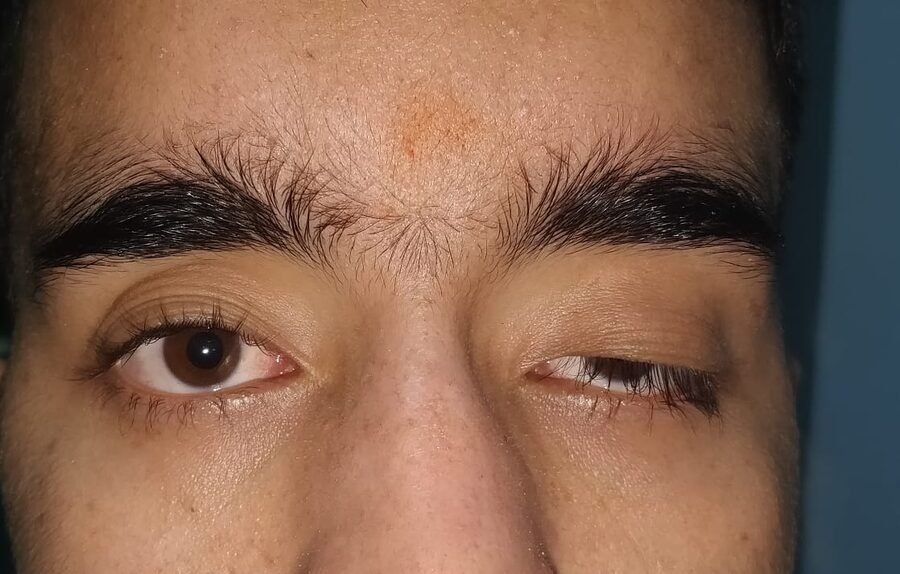
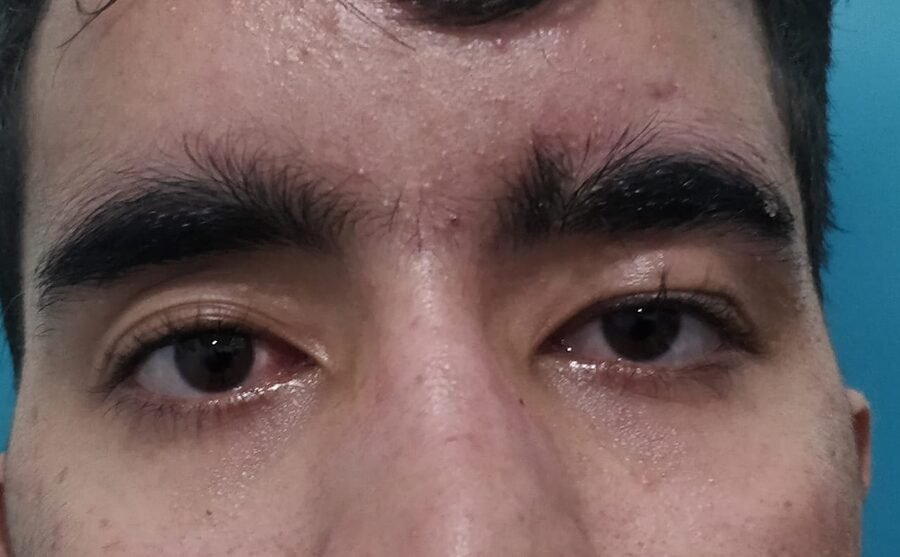
Congenital ptosis — before and after Frontalis Sling surgery
ADULT-ONSET PTOSIS
New or progressive ptosis in an adult should not automatically be considered an age-related change. Depending on the clinical findings, it may be associated with conditions such as myasthenia gravis, nerve disorders, muscle disorders, trauma, or eyelid and orbital pathology. In some patients, treating the underlying medical condition may improve the ptosis without the need for immediate surgery.
A sudden drooping of one eyelid requires prompt medical assessment — particularly when accompanied by double vision, unequal pupils, headache, abnormal eye movements, or other neurological symptoms, since sudden ptosis may indicate an underlying neurological disorder requiring urgent evaluation.
At an oculoplasty consultation, the eyelid position, levator function, eye movements, pupils, vision, and surrounding structures are carefully assessed, with neurological or systemic evaluation recommended where necessary.
Better Vision. Natural Appearance. Thoughtful Oculoplasty.
Book a consultation for an accurate diagnosis and the right treatment plan.