SOPHISTICATED CARE FOR THE EYE SOCKET

Orbital Diseases

The orbit — the eye socket — is a complex anatomical space that protects the eye and contains the muscles, nerves, blood vessels, lacrimal gland and supporting tissues essential for vision and eye movement.

Orbital disorders can subtly alter the appearance of the eyes or present with more significant symptoms such as proptosis, double vision, pain, swelling or visual disturbance. Because these conditions involve structures in close proximity to the eye and optic nerve, accurate diagnosis and meticulous treatment are essential. Our approach combines specialist oculoplastic expertise, advanced imaging and individualized treatment planning, with the dual goals of preserving visual function and restoring natural appearance.
WHAT WE TREAT

Orbital Tumours & Masses

Orbital tumours may arise from a variety of tissues and can be either benign or malignant. They may present gradually as bulging of the eye, eyelid swelling, double vision, restricted eye movements or changes in vision. A carefully planned clinical evaluation and appropriate imaging help establish the nature and exact location of the lesion. When necessary, biopsy or surgical excision is performed with meticulous attention to the surrounding structures.

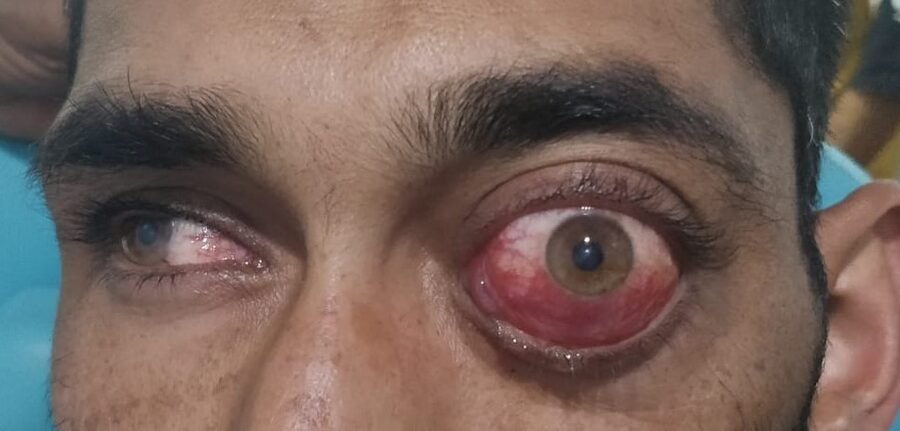
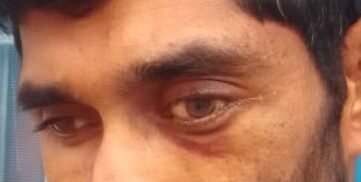
Orbital tumour before surgery — case 1 After orbital tumour surgery — case 1

Orbital tumour, case 1 — before and after surgery

Orbital tumour before surgery — case 2 After orbital tumour surgery — case 2

Orbital tumour, case 2 — before and after surgery

MORE ORBITAL CONDITIONS

Conditions of the Orbit

◉

Thyroid Eye Disease

Can profoundly affect ocular function and facial appearance — eye prominence, eyelid retraction, swelling, dryness, redness, double vision or, in advanced cases, optic nerve compression. Treatment may involve medical therapy, orbital decompression, squint surgery or corrective eyelid procedures.

◉

Orbital Inflammation

May develop suddenly or progress gradually, causing pain, swelling, redness, proptosis or impaired eye movements. Because several conditions produce similar symptoms, an accurate diagnosis is essential before treatment.

◉

Orbital Infections

Require prompt specialist assessment, as infection within the orbit can compromise vision. Management may involve intravenous or oral antibiotics, treating an underlying sinus infection, and surgical drainage if an abscess is present.

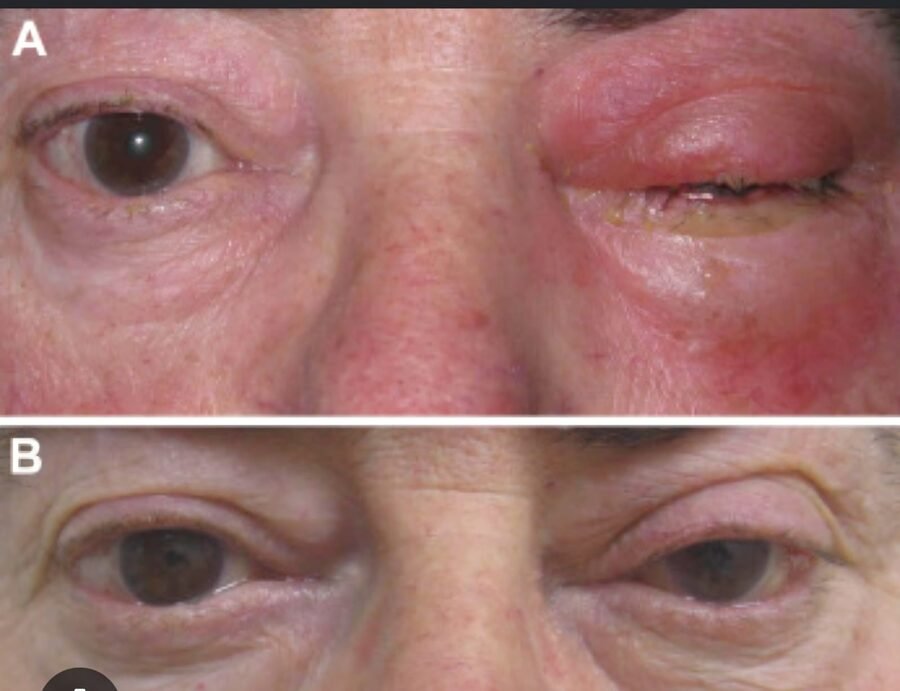
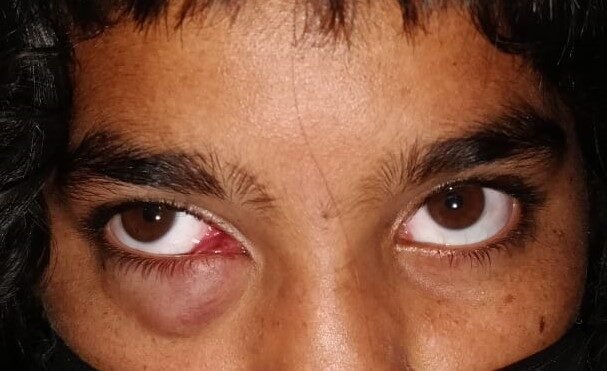
Orbital infection with eyelid swelling
◉

Orbital Fractures & Trauma

Injuries around the eye can fracture the delicate bones of the orbit, causing double vision, restricted eye movements, altered sensation, enophthalmos or facial asymmetry. Surgery, when indicated, aims to restore orbital anatomy while protecting the eye.

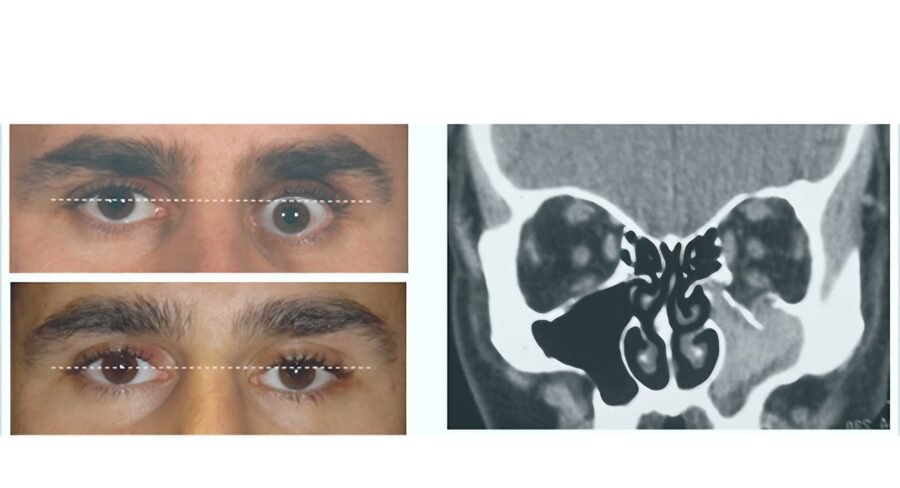
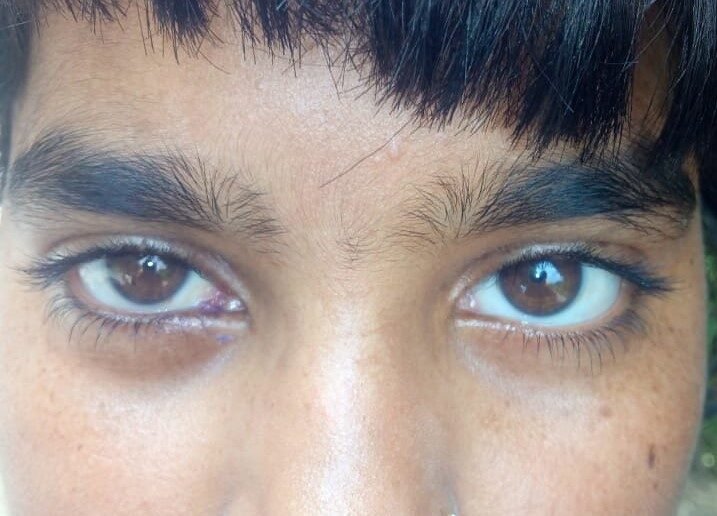
Orbital fracture assessment
◉

Vascular & Lymphatic Orbital Lesions

Can produce intermittent or progressive eye prominence, swelling, discomfort or visual symptoms. Advanced imaging helps determine whether observation, medical treatment, minimally invasive intervention or surgery is appropriate.

◉

Orbital Cysts & Other Lesions

Benign lesions that may remain asymptomatic for years before becoming noticeable. When treatment is required, the lesion's relationship to the optic nerve, eye muscles and other structures is carefully considered for safe, precise removal.

◉

Congenital Orbital Disorders

Present from birth and may affect the size, position or development of the eye and surrounding structures. In children, treatment requires attention to visual development, facial growth and long-term symmetry.

SEEK EXPERT CARE IF YOU NOTICE

When to See an Orbital Specialist

  • Bulging or prominence of one or both eyes
  • New-onset double vision
  • Persistent swelling around the eye
  • Pain behind or around the eye
  • Difficulty moving the eye
  • A change in the position or alignment of the eye
  • Unexplained asymmetry between the eyes
  • A progressively increasing lump or swelling
  • Changes in vision

Some orbital conditions can progress silently. Early specialist assessment can be important in protecting vision and preventing permanent functional or cosmetic changes.

▦

Noticed a change around your eye?

An early orbital assessment can protect both vision and appearance.

Contact Us →