RESTORING APPEARANCE & CONFIDENCE

Ocular Prosthesis

An ocular prosthesis, commonly known as an artificial eye, is a custom-made prosthetic device designed to replace the appearance of a natural eye when the eye has been lost or needs to be removed because of injury, disease, infection, or other medical conditions.

A modern ocular prosthesis is carefully designed to match the size, shape, colour and appearance of the natural eye, helping create a more natural and balanced facial appearance. It is placed within the eye socket and can often move along with the other eye, depending on the condition of the socket and the type of prosthesis used.
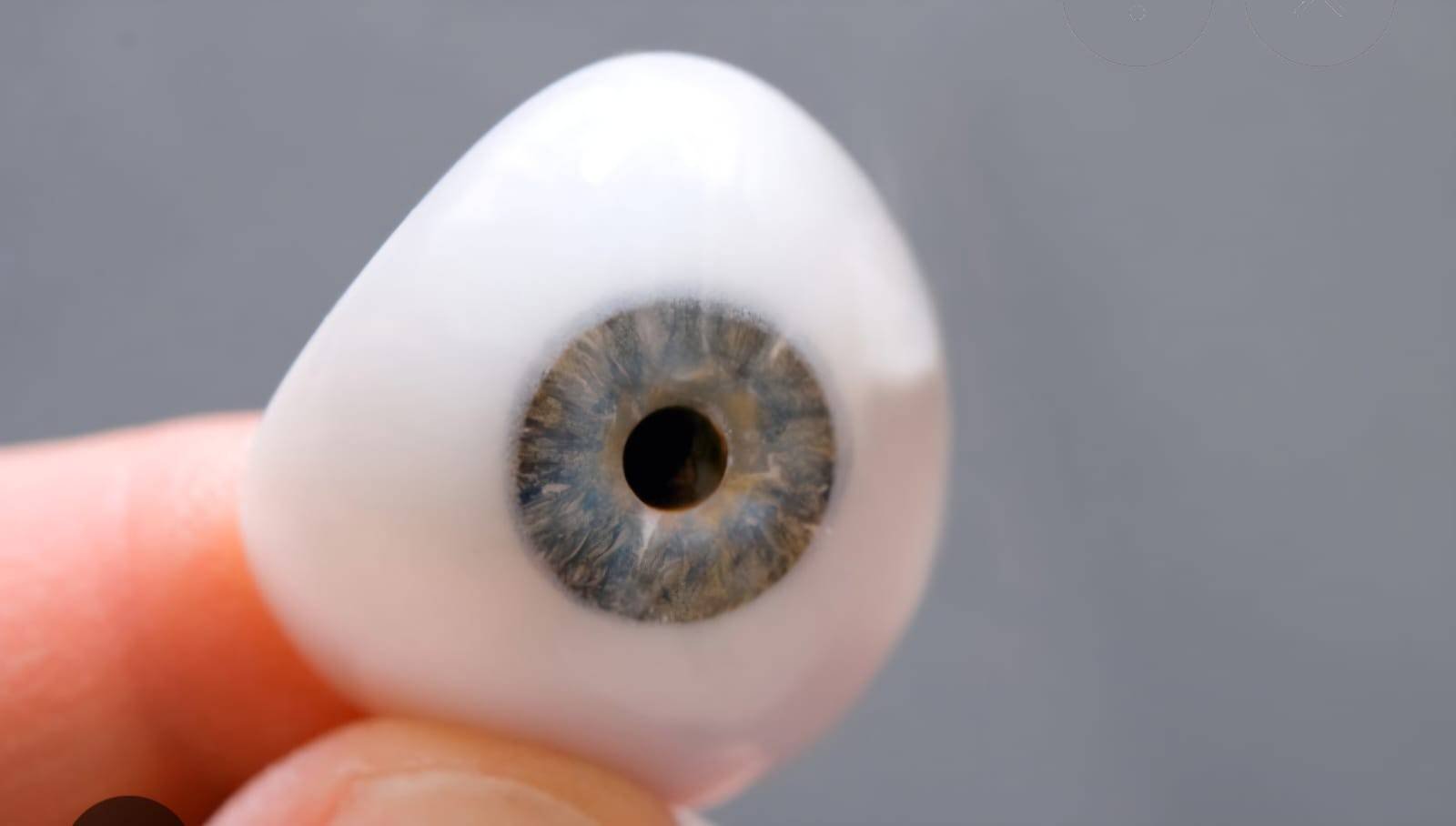
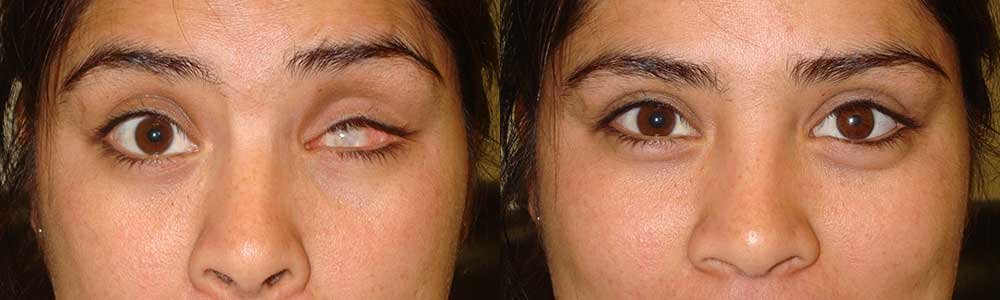
Ocular prosthesis (artificial eye) result

WHO IT'S FOR

Who May Need an Ocular Prosthesis?

  • Lost an eye following an accident or injury
  • Undergone eye removal surgery such as enucleation or evisceration
  • Congenital absence or severe developmental abnormality of an eye
  • A severely damaged or painful eye requiring removal
  • Significant disfigurement of the eye following disease or trauma
Ocular prosthesis fitting

THE PROCESS

How Is an Ocular Prosthesis Made?

The process begins with a detailed examination of the eye socket and surrounding structures. Measurements and impressions may be taken to create a prosthesis that fits comfortably and provides an appropriate cosmetic appearance. The artificial eye is then individually customised, including its iris colour, scleral appearance and other visible details, to achieve a close match with the patient's other eye.

WHY IT HELPS

Benefits of an Ocular Prosthesis

  • Improve facial symmetry and cosmetic appearance
  • Restore confidence and self-esteem
  • Protect and support the tissues of the eye socket
  • Help maintain the shape of the eyelids and surrounding structures
  • Provide a more natural appearance in photographs and everyday interactions

ONGOING CARE

Care and Follow-Up

An ocular prosthesis requires regular cleaning and appropriate handling. Periodic examination is important to assess the health of the eye socket and the condition and fit of the prosthesis. Over time, a prosthesis may require polishing, adjustment or replacement. Every eye socket is different — proper assessment by an ophthalmologist, preferably an oculoplastic/orbital specialist, along with an experienced ocularist, helps ensure that the prosthesis is comfortable, appropriately fitted and cosmetically satisfactory.

An ocular prosthesis does more than restore the appearance of an eye — it can help restore confidence and a sense of normalcy.

▦

Considering an artificial eye?

Book a consultation to discuss a custom-fitted ocular prosthesis.

Contact Us →