EYELID GROWTHS & INJURIES

Lid Tumours and Trauma

Lid tumours are abnormal growths that develop on the eyelids — benign or malignant. Lid trauma covers injuries to the eyelids, from small cuts to complex wounds. Both need an ophthalmologist's assessment, particularly an oculoplastic surgeon.

LID TUMOURS

Common Types

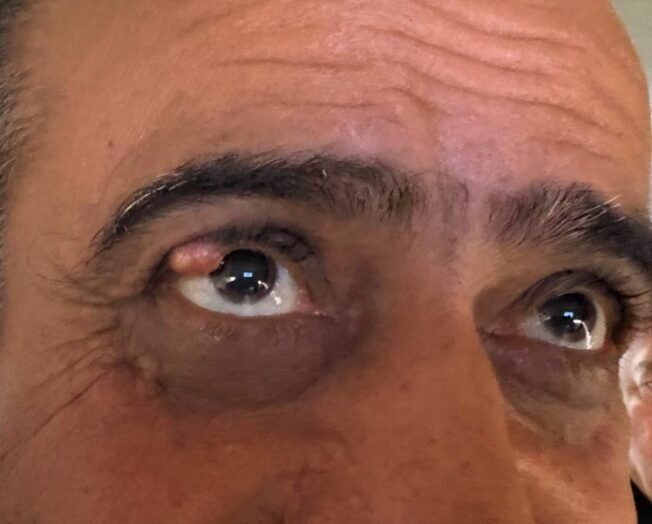
Eyelid tumours can arise from the skin, glands, hair follicles, or other tissues of the eyelid. Common benign lesions include papillomas, cysts, naevi, and sebaceous gland lesions. Malignant tumours include basal cell carcinoma, squamous cell carcinoma, and sebaceous gland carcinoma. Although many eyelid lesions are harmless, any new, persistent, or changing growth should be evaluated.
DON'T IGNORE THESE

Warning Signs

  • Continues to grow or changes in appearance
  • Develops ulceration, bleeding, or crusting
  • Causes loss of eyelashes
  • Has irregular pigmentation or poorly defined edges
  • Repeatedly returns after being removed
  • Causes persistent swelling or irritation
  • Produces distortion of the eyelid or affects vision

Some eyelid cancers can resemble a harmless lump in their early stages, so persistent or suspicious lesions should not be ignored.

DIAGNOSIS & TREATMENT

From Assessment to Surgery

An ophthalmologist examines the lesion and surrounding eyelid structures. Dermoscopy, slit-lamp examination, photography, or imaging may be useful in selected cases. If a tumour is suspicious, a biopsy or complete excision may be required to establish the diagnosis through histopathological examination.

Treatment depends on the type, size, location, and extent of the lesion. Benign lesions may sometimes be observed or removed for functional or cosmetic reasons. Suspicious or malignant tumours generally require complete surgical removal with preservation or reconstruction of the eyelid whenever possible.

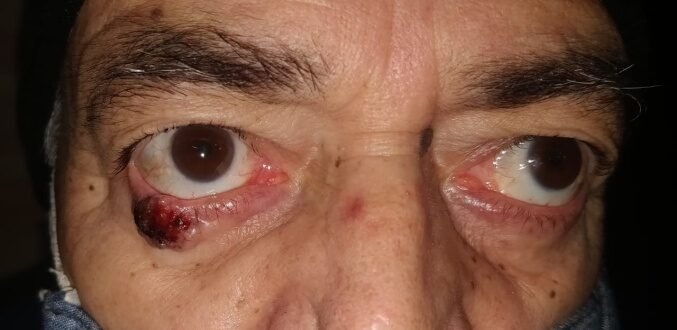
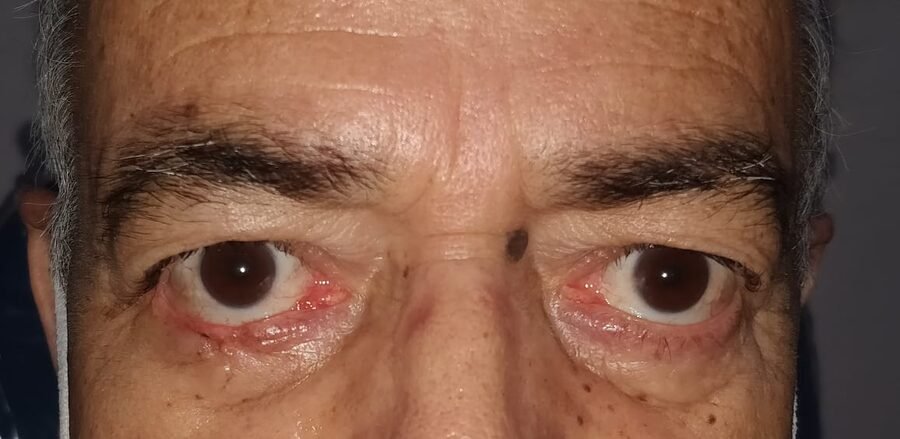
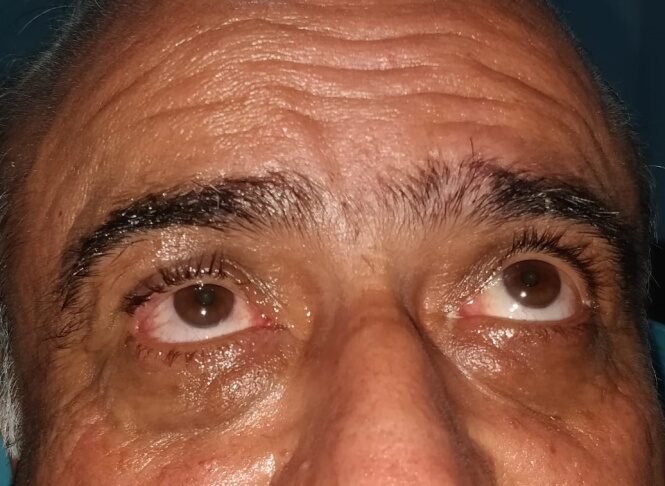
Upper eyelid benign tumour before removal Upper eyelid after tumour removal

Upper lid benign tumour — before and after removal

Lower eyelid malignant tumour before removal Lower eyelid after tumour removal and reconstruction

Lower lid malignant tumour — before and after removal

Early evaluation is important because eyelid tumours can sometimes progress without causing significant symptoms. If you notice a new lump, ulcer, change in pigmentation, or loss of eyelashes around the eyelid, consult an ophthalmologist/oculoplastic surgeon rather than attempting to treat or remove it yourself.

INJURIES TO THE EYELID

Lid Trauma

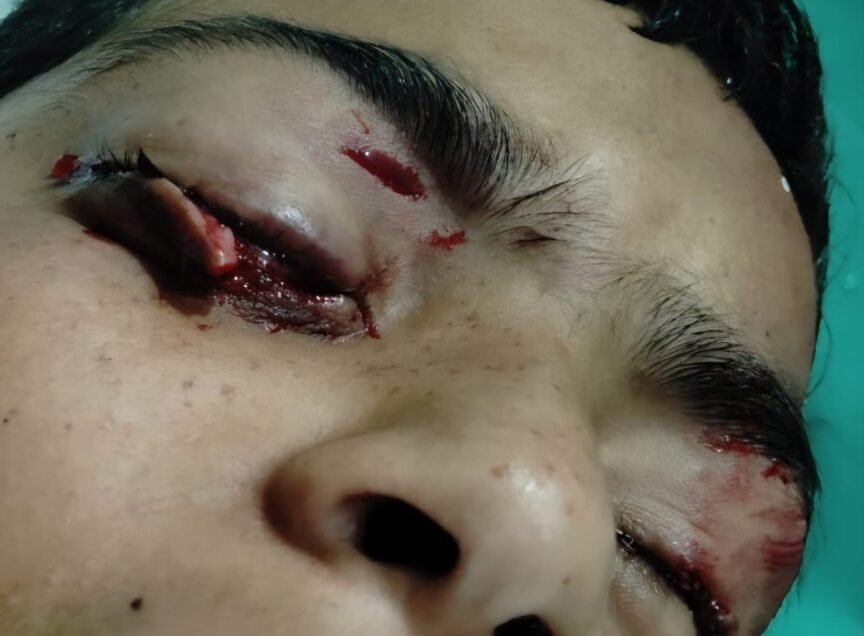
Lid trauma includes injuries caused by accidents, falls, sports injuries, bites, burns, or sharp objects — ranging from bruising and small cuts to complex wounds involving the eyelid margin, tear drainage system, or surrounding tissues. Even a small eyelid injury can affect eye protection, eyelid function, tear drainage, or appearance, so a thorough eye examination is important to identify any associated injury.

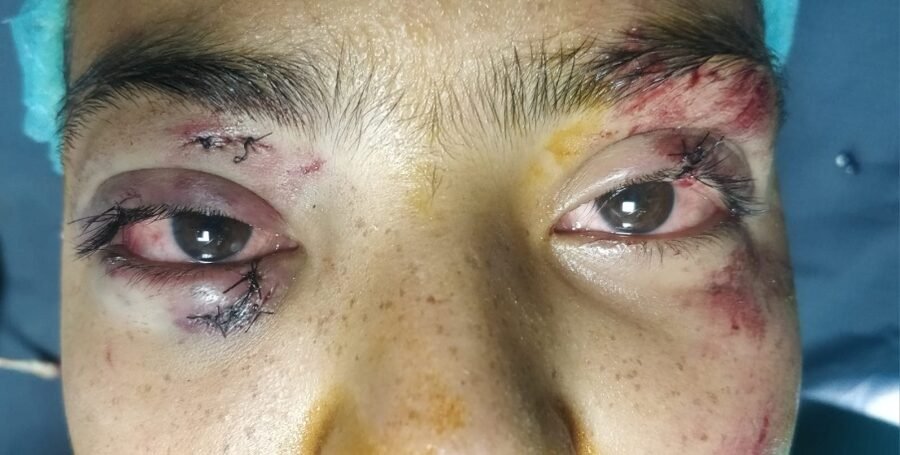
Treatment depends on the severity and location of the injury. Simple wounds may require wound care, while complex injuries may need precise surgical repair. Oculoplastic reconstruction aims to restore normal eyelid position and movement, eye protection and closure, the eyelid margin and eyelashes, tear drainage when affected, and the best possible functional and cosmetic outcome.

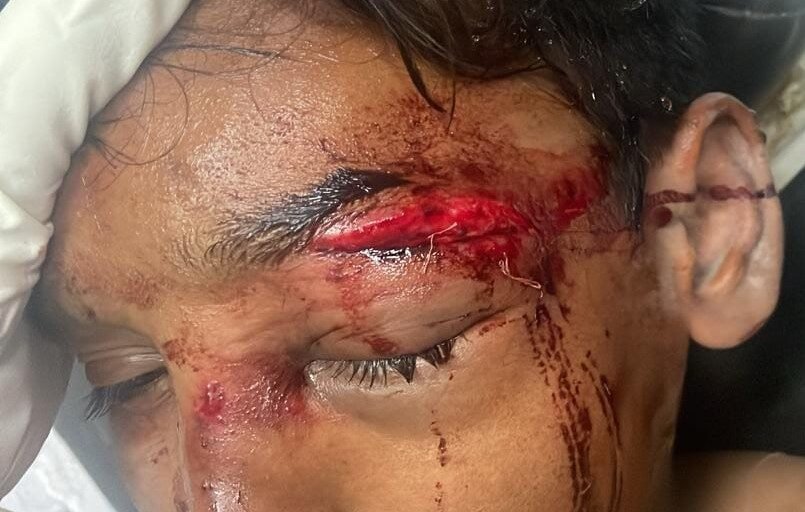
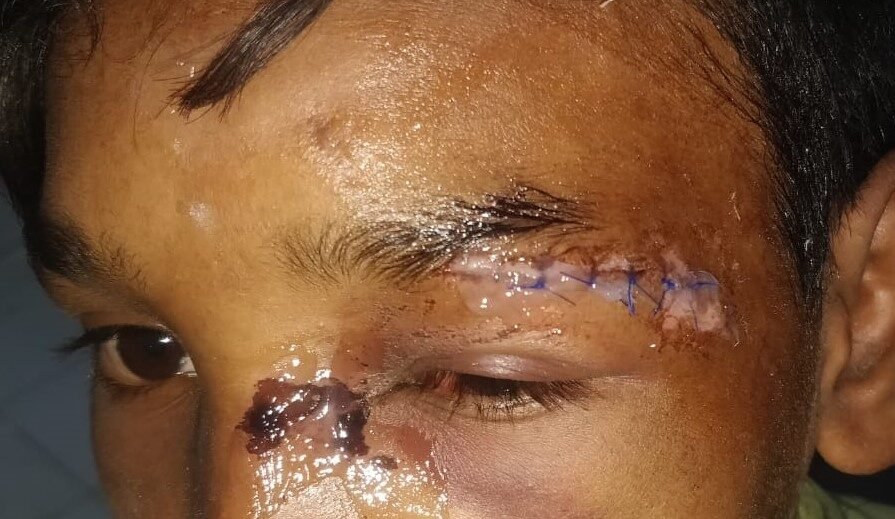
Upper lid laceration before repair Upper lid after laceration repair

Upper lid laceration — before and after repair

Lower lid laceration involving the lower canaliculus Lower lid after repair with lacrimal intubation

Lower lid laceration with canalicular involvement — before and after repair

Seek prompt ophthalmic assessment after significant eyelid trauma, particularly if there is reduced vision, severe pain, persistent bleeding, a deep wound, injury near the inner corner of the eye, difficulty closing the eye, or a suspected injury to the eyeball. Early assessment and appropriate repair can help minimise long-term functional and cosmetic complications.

▦

New eyelid growth or an eyelid injury?

Get it assessed promptly by our oculoplastic specialist.

Contact Us →