Entropion and ectropion are eyelid malposition disorders in which the normal position of the eyelid changes. Although they may initially appear to be a cosmetic concern, they can cause significant irritation, watering, inflammation, and damage to the surface of the eye.
EYELID MALPOSITION
Entropion and Ectropion: When the Eyelid Turns Inward or Outward
The eyelids protect the eyes, maintain a healthy tear film, and keep the ocular surface comfortable. When their position changes, it can cause more than a cosmetic concern.
EYELID TURNS INWARD
Entropion
Entropion occurs when the eyelid, most commonly the lower eyelid, turns inward toward the eye. As a result, the eyelashes and eyelid margin rub against the cornea and conjunctiva. This can cause:
- Persistent irritation or a foreign-body sensation
- Excessive watering
- Redness and discomfort
- Sensitivity to light
- Recurrent corneal abrasions
- In more advanced cases, corneal ulceration and visual impairment
Entropion may develop because of age-related changes in the eyelid tissues, scarring of the inner eyelid, previous trauma or surgery, or less commonly, congenital or spastic causes. Temporary measures may provide relief in selected patients, but definitive treatment is usually surgical — restoring the normal eyelid position, preventing the eyelashes from rubbing against the eye, and preserving the health of the cornea.
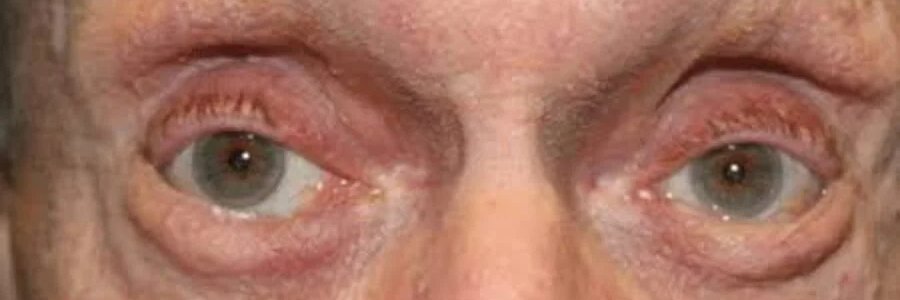
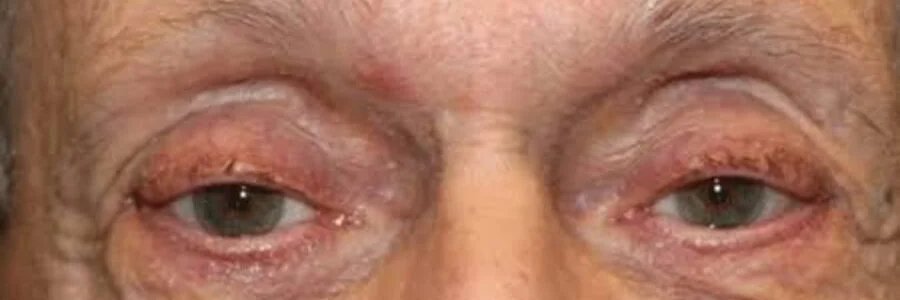
Entropion — before and after repair
EYELID TURNS OUTWARD
Ectropion
Ectropion occurs when the eyelid, usually the lower eyelid, turns outward away from the eye. Because the eyelid no longer sits properly against the surface of the eye, tears may not drain normally and the eye may become exposed and dry. Common symptoms include:
- Excessive watering
- Dryness and burning
- Redness and irritation
- A gritty or foreign-body sensation
- Exposure-related discomfort
- Difficulty closing the eye completely
Ectropion is most commonly related to age-associated laxity of the eyelid, but it may also occur because of facial nerve weakness, scarring of the skin around the eyelid, trauma, previous surgery, or other conditions affecting eyelid support. Lubricating eye drops and ointments may help control symptoms, but when there is significant eyelid malposition, surgical correction is often the definitive treatment — individualized to restore appropriate eyelid position, tension, and support while maintaining a natural appearance.
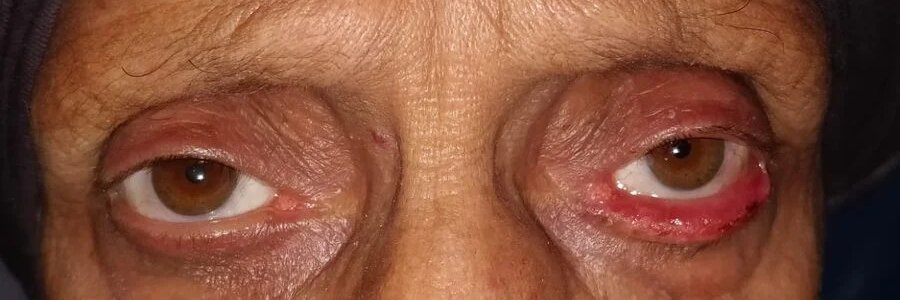
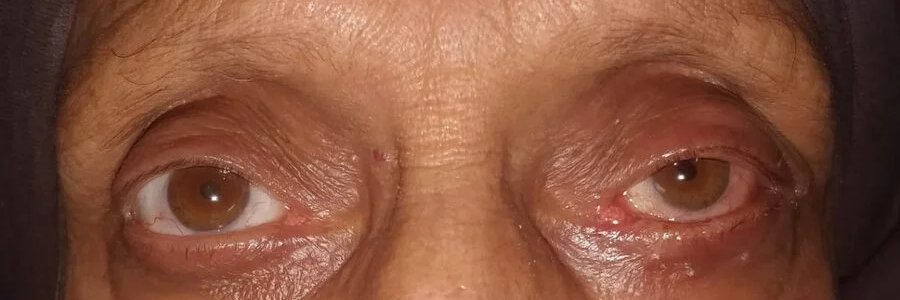
Ectropion — before and after repair
SPECIALIST OCULOPLASTIC CARE
Why Early Treatment Matters
Entropion and ectropion are more than problems of eyelid appearance — the eyelids protect the eye and maintain a healthy ocular surface, and abnormal eyelid position can compromise this function. Early assessment can help prevent persistent irritation, corneal damage, and worsening symptoms.
A detailed oculoplastic examination assesses the eyelid position, horizontal laxity, tendon support, muscle function, skin changes, and condition of the ocular surface, with treatment planned according to the individual anatomy and the underlying cause.
Our aim is to restore comfortable eyelid function, protect the ocular surface, improve tear drainage, and achieve a natural, balanced appearance.
Healthy eyelids. Comfortable eyes. Natural results.
Eyelid turning in or out?
Book a consultation for a detailed oculoplastic assessment.